Two North Atlantic Personalities
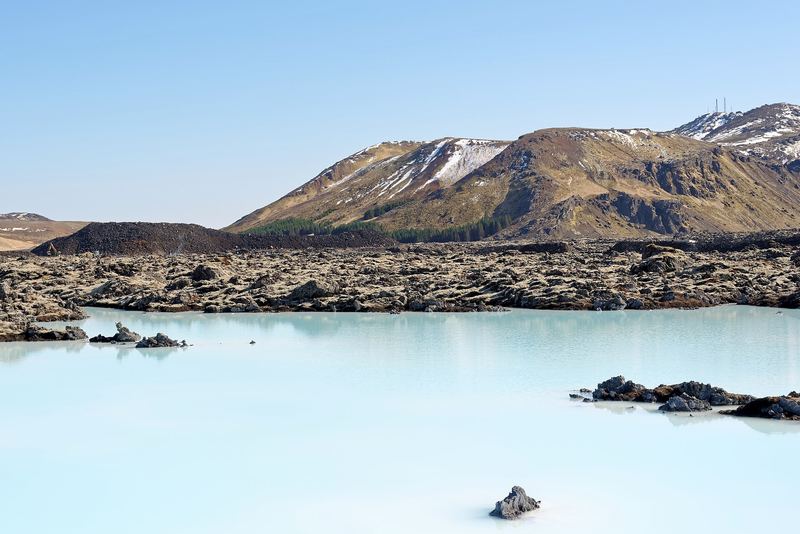
Iceland's scenery is raw. On the Reykjanes Peninsula, lava fields steam beside a milky-blue lagoon. The South Coast stacks waterfalls like Seljalandsfoss and Skógafoss against old sea cliffs. Glaciers spill toward black-sand beaches and icebergs drift through Jökulsárlón. There are few trees and fewer towns, so the land feels huge and empty.
Ireland's scenery is softer and lived in. The west coast holds most of the romance: lakes and oak woods around Killarney, beehive huts and Irish-speaking villages on the Dingle Peninsula, the bog and mountain light of Connemara and the limestone Burren in County Clare, where the Cliffs of Moher drop into the Atlantic. Stone walls, sheep and small harbors fill the gaps. If you want to feel like explorers, choose Iceland. If you want to feel welcomed, choose Ireland.
Getting There From the US
Both are easy. Nonstop flights from the East Coast reach Keflavík (KEF) in about five to six hours and many US cities have direct service. The Retreat at Blue Lagoon is only about 20 minutes from the airport, so you can land in the morning and be in warm water by lunch.
Ireland has even more choice. Dublin has nonstops from more than a dozen US cities on Aer Lingus, Delta, United, American and JetBlue, about six to seven hours from the East Coast. Shannon, closer to the west coast, has nonstops from Boston and New York, plus seasonal Newark and Chicago flights. Ireland has one extra perk: both Dublin and Shannon have US preclearance, so on the way home you clear American immigration before boarding and walk straight out on arrival.
In both countries, a rental car is the easiest way to explore.
When to Travel
Iceland has two distinct honeymoon seasons. Summer, from June to August, brings near-24-hour daylight, puffins on the cliffs and the easiest driving. Winter, from November to March, is aurora season, with snowy landscapes and lagoons at their most atmospheric, though December has only four or five hours of daylight and storms can close roads. Spring and autumn shoulder months are excellent too.
Ireland's best months are May, June and September. Late June sunsets come after 10 p.m. on the west coast, gardens are in bloom and the summer crowds have not fully arrived. July and August are warmest, with highs typically in the mid 60s Fahrenheit, but also busiest. Winter is mild but dark and wet, though castle hotels with roaring fires make it cozy.
Rain is possible in every month in both countries. Pack a real waterproof shell and layers wherever you go.
Castles or Lagoon Suites
Iceland's showpiece is The Retreat at Blue Lagoon, a hotel of about 60 suites with a private lagoon and an underground spa, ideal for your first or last nights. ION Adventure Hotel near Þingvellir is a design-forward base for aurora watching. Hótel Búðir on Snæfellsnes and the glacier lagoon hotels in the southeast are cozy and simpler. Eleven Deplar Farm in the north is a 13-room lodge with a heated pool and swim-up bar for the very top of the budget.
Ireland's honeymoon hotels are castles and country houses. Ashford Castle in Cong has falconry and lake cruises. Dromoland Castle near Shannon Airport is an easy first or last night. Ballynahinch Castle in Connemara sits on a salmon river in the hills. In Kerry, the Europe Hotel & Resort overlooks the Killarney lakes and the Dingle Skellig Hotel faces the harbor with a spa.
How the Costs Compare
Iceland is one of the more expensive destinations in the world. Luxury hotels like The Retreat run well into four figures a night, while countryside hotels such as Hótel Búðir start around $300. A nice dinner for two with wine often runs $150 or more and a casual lunch for two can easily top $50.
Ireland is not cheap either, but its range is wider. A good B&B or guesthouse runs roughly 150 to 250 euros a night, usually with a cooked breakfast. Boutique and country house hotels run roughly 250 to 500 euros. Famous castle hotels like Ashford Castle and Adare Manor often cost 600 euros to well over 1,000 in summer. Dinner for two with wine is about 100 to 180 euros. Ten days for two runs roughly $6,000 to $10,000 before flights. All figures are approximate and rise in summer.
Days Out for Two
Iceland's days are active. Snorkel between continents in the glacial water of Silfra at Þingvellir. Hike on a glacier with a guide. Walk behind Seljalandsfoss and watch icebergs wash up on Diamond Beach. Drive the Golden Circle or the Snæfellsnes Peninsula, or fly north to Lake Mývatn. In winter, join an aurora tour or watch from your hotel's terrace. Then soak in a lagoon or a village pool.
Ireland's days are gentler. Visit the Cliffs of Moher early or late, then drive the Burren coast road to Doolin for music. Spend a day on Kylemore Abbey and the Sky Road in Connemara. Drive Slea Head around the Dingle Peninsula or walk through the Gap of Dunloe near Killarney. Try falconry at Ashford Castle. Each evening, find a pub with a trad session and a fire. It's the moment most couples remember.
Weather and Comfort
Neither country promises warm weather, so plan for it. In Iceland, wind is a bigger challenge than cold. Storms can close roads in winter, highland F-roads need four-wheel drive and are closed much of the year. The sea is only for guided snorkel trips in drysuits. Keep a free day in your plan to wait out bad weather.
Ireland's weather is milder but wetter. Showers blow through in every season and summers are mild rather than warm. The roads are the main comfort issue: Kerry and Connemara lanes are often one car wide between stone walls and Americans have to drive on the left. Rent the smallest automatic that fits your luggage.
Ireland is more forgiving on a rainy day thanks to pubs, castles and cafés. Iceland compensates with hot water. Both reward a loose schedule and a good rain jacket.
Doing Both in One Trip
It can work well. Flights between Keflavík and Dublin take under three hours and Icelandair has long offered stopovers in Iceland at no extra airfare on transatlantic tickets. A twelve-night plan could start with three or four nights in southwest Iceland, including a night at the Blue Lagoon, then a flight to Dublin or a connection to Shannon for a week on the west coast with one or two castle nights.
For the flight home, Shannon or Dublin preclearance makes the return easier. Pack for both: layers, waterproofs and a swimsuit for Iceland's lagoons.
With only a week, choose one. Iceland's southwest fits neatly into five to seven nights. Ireland's west coast deserves at least a week with two or three bases, since driving the narrow roads takes longer than maps suggest.