Why Honeymoon in Tortuguero
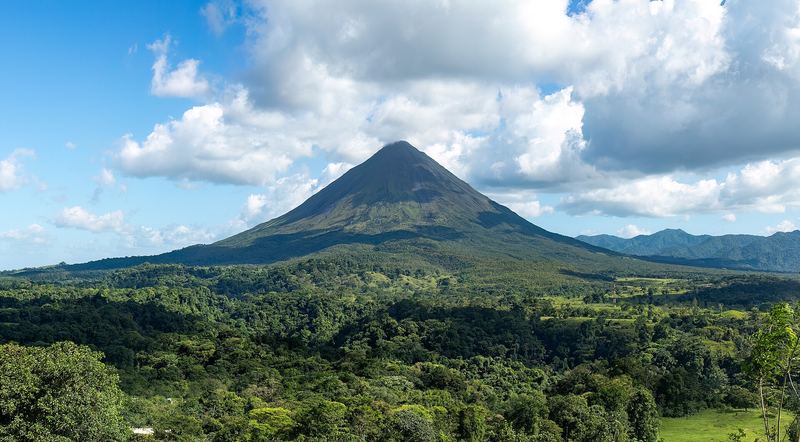
Tortuguero feels remote in the best way. Without cars or roads, the soundtrack is howler monkeys, rain on the roof and boat motors in the distance. The canals, sometimes called Costa Rica's Amazon, wind through dense rainforest that you explore by boat, canoe or kayak.
The highlight for many couples is watching a sea turtle come ashore to nest on a guided night walk, an experience that feels quietly profound. Tortuguero's beaches host four species of sea turtles.
It suits couples who want to share something wild and memorable. One of you might be the dedicated birder while the other just enjoys gliding through the jungle at dawn. Lodges are simple to comfortable rather than luxurious. That is part of the charm.
When to Go
Tortuguero is one of the wettest places in Costa Rica, with heavy rain possible in any month. The driest periods tend to be February to April and September to October. November through January are usually the rainiest months, with frequent downpours.
Turtle nesting is the big seasonal draw. Green turtles nest from about July to October, peaking in August. Leatherbacks nest earlier, roughly from March to May, in smaller numbers. Hatchlings emerge a couple of months after nesting.
Temperatures stay warm year-round, with highs typically in the 80s Fahrenheit and high humidity. If turtles are your priority, aim for July to October. If you want the best odds of dry weather, February to April is a good bet.
Where to Stay
Most lodges sit on the canals across from the village or along the strip between the river and the beach. Packages typically include boat transfers, meals and guided tours, which keeps logistics simple.
Tortuga Lodge and Gardens, operated by Costa Rica Expeditions, is one of the more refined options, with riverside rooms and a pool among the gardens. Manatus Hotel is a smaller lodge with air-conditioned rooms, a spa and a pool, popular with couples. Mawamba Lodge and Pachira Lodge are larger, well-known lodges that offer packages with all transport and meals.
In the village itself, small guesthouses and cabins offer a more local, budget-friendly experience. Choose a lodge with a pool if you want somewhere to cool off, since the ocean is not safe for swimming.
Romantic Things to Do
- Take an early-morning canoe or boat tour through the canals, when wildlife is most active.
- Join a guided night walk during nesting season to watch turtles lay eggs on the beach.
- Kayak the quieter side channels with a guide, watching for caimans, herons and kingfishers.
- Visit the Sea Turtle Conservancy's visitor center in the village to learn about the research done here.
- Walk the national park trails in rubber boots, looking for poison dart frogs and monkeys.
- Explore the colorful village, with its souvenir shops, cafés and Caribbean rhythm.
- Relax in a hammock on your lodge's riverside deck during an afternoon downpour.
Getting There and Around
Fly into Juan Santamaría International Airport (SJO) in San José. Most lodge packages include a shuttle from San José to a boat dock, usually La Pavona or Caño Blanco, followed by a boat ride of roughly one to two hours through the canals. The full journey takes about three to four hours or more, with a breakfast stop along the way.
To save time, take a domestic flight to the small Tortuguero airstrip, about 30 to 40 minutes from San José. Lodges can arrange boat pickup from the airstrip.
Once there, you get around by boat and on foot. Lodges run boats to the village and tours. Pack light, since luggage limits on small planes and boats can be tight. Many lodges store extra bags in San José.
Food and Drink
Tortuguero's food reflects its Afro-Caribbean heritage. Look for rice and beans cooked in coconut milk, often served with chicken, fish or plantains. Rondón, a coconut seafood stew, is a local specialty, as is patí, a spiced meat pastry.
Most lodge packages include buffet or set meals, which keeps things easy. Lodges serve both Costa Rican and international dishes, with fresh fruit at every breakfast.
In the village, small sodas serve casados, plates of rice, beans, salad and a protein, at friendly prices. Try a fresh fruit smoothie or a cold local beer at a riverside bar. Spend at least one meal in the village to support local businesses and soak up the atmosphere.
Honeymoon Tips
Turtle tours must be done with a certified guide. Flash photography and white lights are not allowed on the beach at night. Wear dark clothing and follow your guide's instructions.
Do not swim in the ocean. The surf and currents are strong and dangerous. Use your lodge pool instead.
Pack rain jackets, quick-dry clothes, insect repellent and sturdy shoes. Lodges often lend rubber boots for muddy trails.
Mosquitoes are common. Dengue occurs in Costa Rica. Use repellent and long sleeves at dusk. If you're pregnant or hoping to be soon, check CDC travel health notices before you go.
Two or three nights is enough for most couples. Book packages early for July to October turtle season.