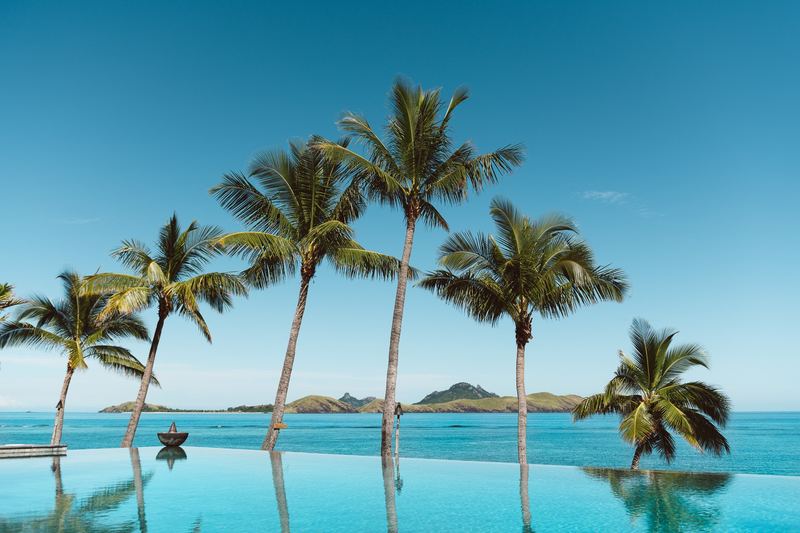
Why Honeymoon in the Mamanucas
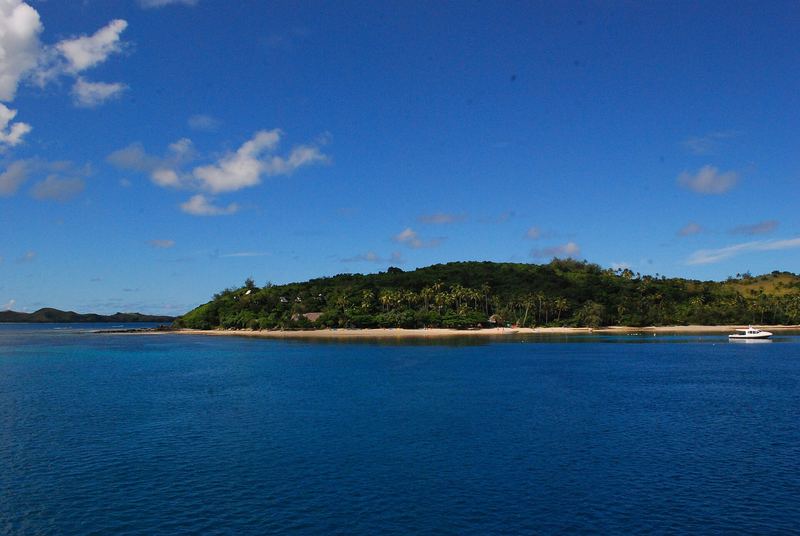
The Mamanucas deliver the classic South Pacific fantasy with very little effort. Transfers are short, the weather is reliable by Fijian standards and the water is so calm and clear that even nervous snorkelers find their confidence.
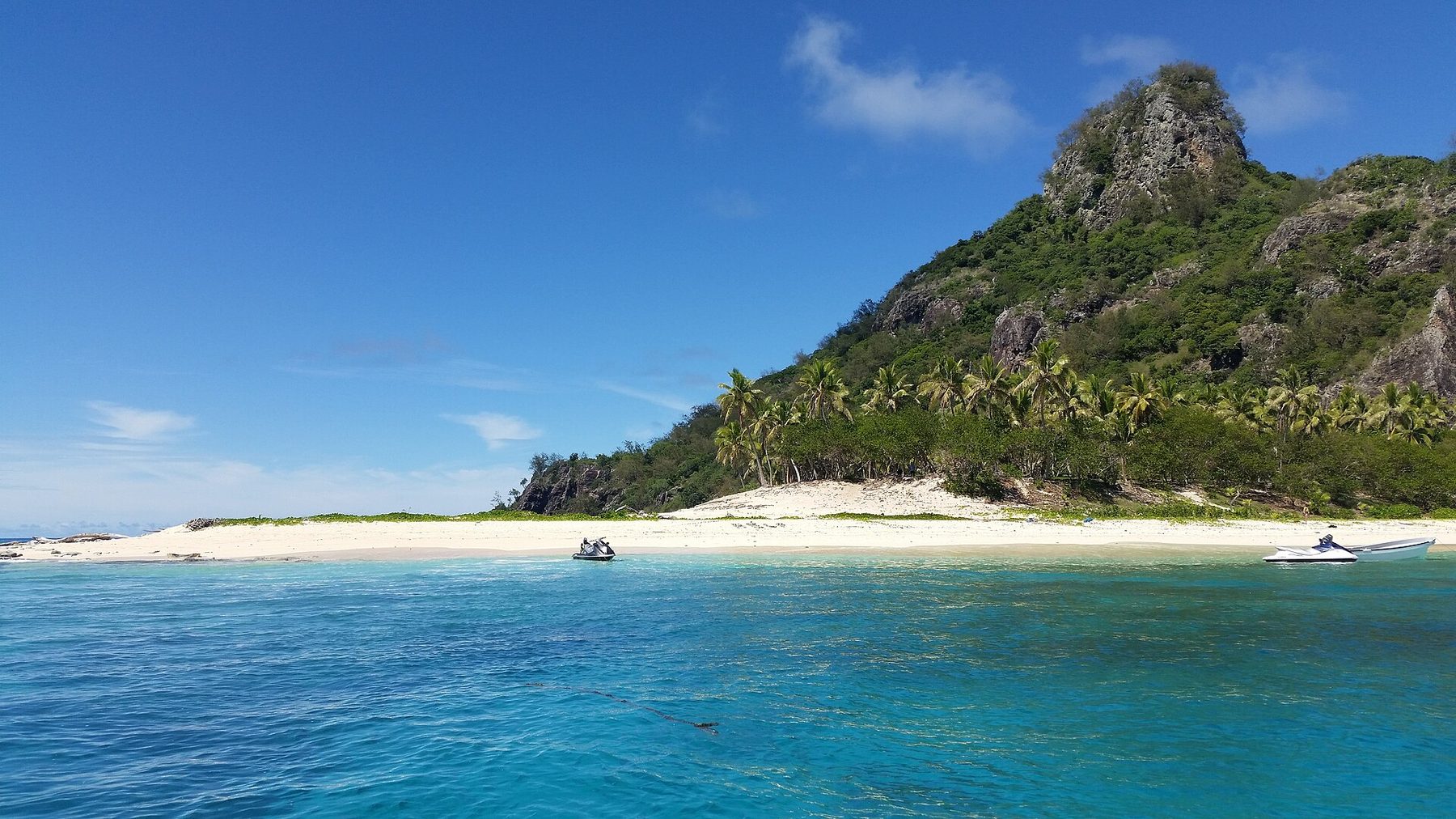
There is also more variety than you might expect in such a compact area. Some islands host big, sociable resorts and day-trippers from Denarau; others are home to small, kid-free retreats where you'll share the beach with only a handful of couples. Famous sights are within easy reach, from Monuriki, the uninhabited island where Cast Away was filmed, to floating bars and sandbars that appear at low tide. The TV series Survivor has filmed here since 2016, which tells you how good the region looks on camera.
When to Go
May through October is the dry season and the most popular time to visit. Days are warm and sunny, humidity is lower, nights are pleasantly cool and the water is clear. It's also peak season, especially June through September when Australian and New Zealand school holidays fill resorts, so book kid-free properties well in advance.
April and November are shoulder months with good weather and better availability. December through March is the warm, wet season, with higher humidity, heavy but often brief downpours and a risk of tropical cyclones. The Mamanucas' location in the lee of Viti Levu means they often stay sunnier than the rest of Fiji even then. Rates can be more forgiving, too. If you travel in cyclone season, buy travel insurance and keep your itinerary flexible.
Where to Stay
Our two favorite Mamanuca honeymoon resorts take very different approaches to romance.
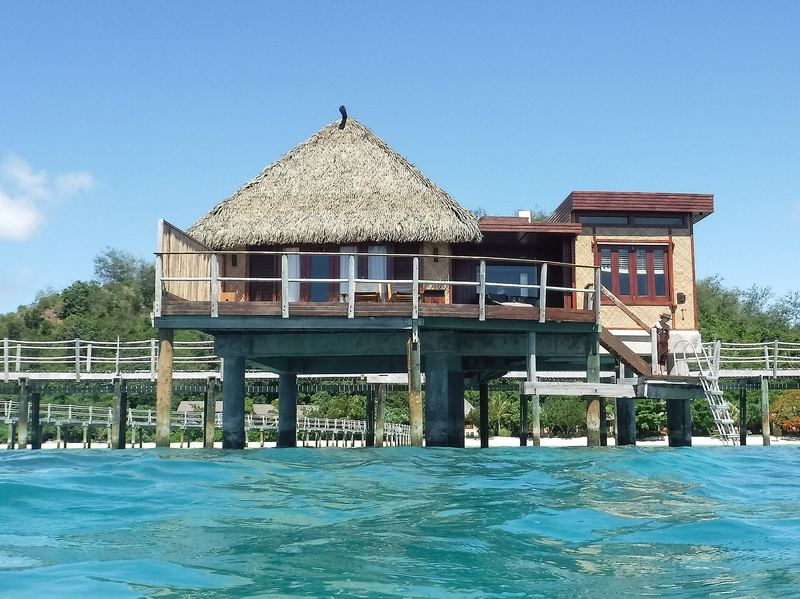
Likuliku Lagoon Resort on Malolo Island pioneered overwater bures in Fiji and remains kid-free, with about 45 bures, meals included and a protected marine sanctuary out front. It's the pick if your honeymoon vision involves a glass floor, a ladder into the lagoon and fish beneath your feet.
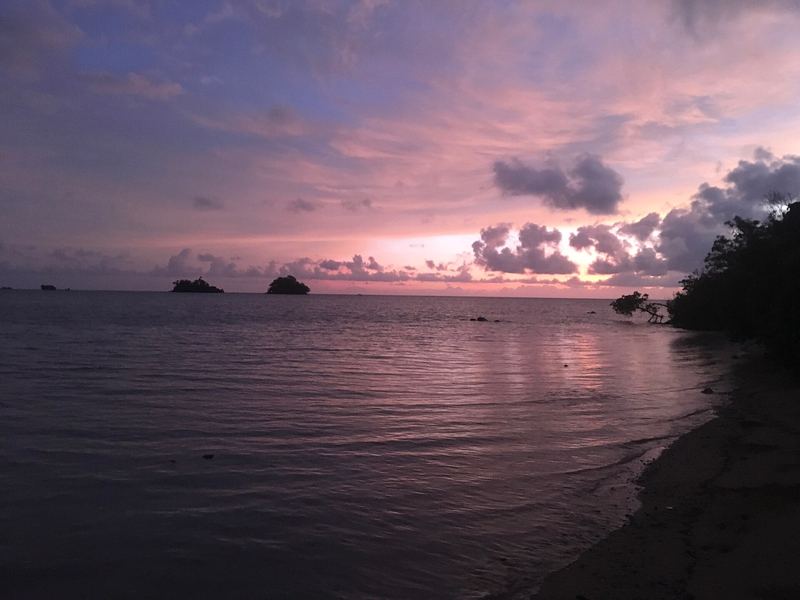
Tokoriki Island Resort, at the far outer edge of the group, is another kid-free favorite, with roughly 36 west-facing bures and villas, most with private plunge pools. Every evening becomes a private sunset show. The resort's chapel makes it popular for weddings.
Beyond these two, the Mamanucas offer everything from large family resorts on Malolo and Mana to private-island retreats such as Vomo and kid-free Matamanoa. Choose a kid-free property if quiet matters to you, since many islands cater to families. As a rough guide, expect around $800 to $2,000 or more a night for two at the kid-free resorts, with overwater bures at the top of that range (approximate).
Romantic Things to Do
The Mamanucas reward couples who like to be in and on the water. Snorkel straight from your beach or take a boat to Malolo Barrier Reef, where coral gardens and reef fish are thick. Divers will find good visibility and a range of sites, from gentle reefs to swim-throughs.
For a dose of movie history, sail to Monuriki (the Cast Away island) and walk its empty beach. Spend an afternoon at Cloud 9, a two-story floating platform bar anchored over the reef, or ask your resort to drop you on a sandbar with a picnic. At sunset, a cruise on a traditional sailing boat is hard to beat.
On land, a village visit with a sevusevu, the formal presentation of kava, is a meaningful introduction to Fijian culture. And of course, the couples' massage in a beachfront bure is practically required.
Getting There & Around
Fly into Nadi International Airport (NAN), which has nonstop service from Los Angeles and San Francisco in about 10 to 11 hours. Most Mamanuca resorts are reached via one of three routes.
- Boat: Drive about 20 to 30 minutes to Port Denarau, then take a scheduled catamaran or private water taxi. Journeys range from around 15 minutes for the closest islands to about an hour for outer islands like Tokoriki.
- Seaplane: Flights take about 10 to 20 minutes and give you a clear look down at reefs and sandbars. Weight limits apply. They fly only in daylight.
- Helicopter: The quickest, most dramatic option, landing on resort helipads.
Overnight flights from the US usually arrive early in the morning, so confirm transfer schedules carefully. Between islands, resorts can arrange boats for excursions.
Food & Drink
Most Mamanuca resorts are on their own islands, so you'll eat mainly where you stay, which makes choosing a resort with great food important. Likuliku includes meals in its rates, while Tokoriki adds a teppanyaki bar to its main restaurant.
Look for kokoda on menus: Fiji's take on ceviche, made with raw fish marinated in citrus and finished with coconut cream, chili and fresh vegetables. A lovo feast, with meats, fish and root vegetables slow-cooked in an earth oven, is a must if your resort offers one. Tropical fruit is superb, especially papaya, pineapple and mango in season. Wash it down with a cold Fiji Bitter or a rum cocktail and try kava at least once. The earthy drink made from yaqona root is central to Fijian hospitality and makes your lips pleasantly tingle.
Honeymoon Tips
- Book a room with direct beach or lagoon access; the snorkeling is half the fun.
- Mention your honeymoon when booking. Fijian resorts are famous for celebrating couples with flowers, songs and surprises.
- Splurge on a seaplane or helicopter for at least one leg; the reefs look even better from the air.
- Four or five nights is about right here, longer if this is your only stop.
- Pack reef-safe sunscreen, a rash guard, water shoes and insect repellent. Dengue occurs in Fiji, so if you're pregnant or hoping to be soon, check CDC travel health notices before you go.
- Bring a sulu, the Fijian sarong, for village visits; covering shoulders and knees is respectful.
- Consider pairing the Mamanucas with the more remote Yasawas or a private island in Northern Fiji for a two-stop honeymoon.