Why Honeymoon in the Yasawas
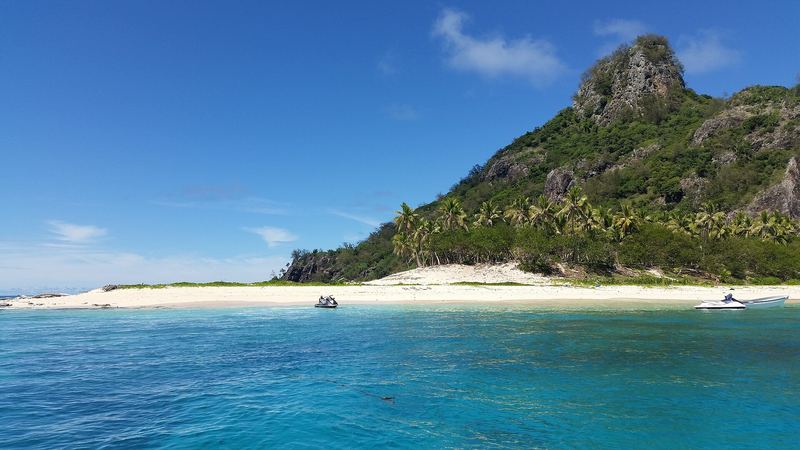
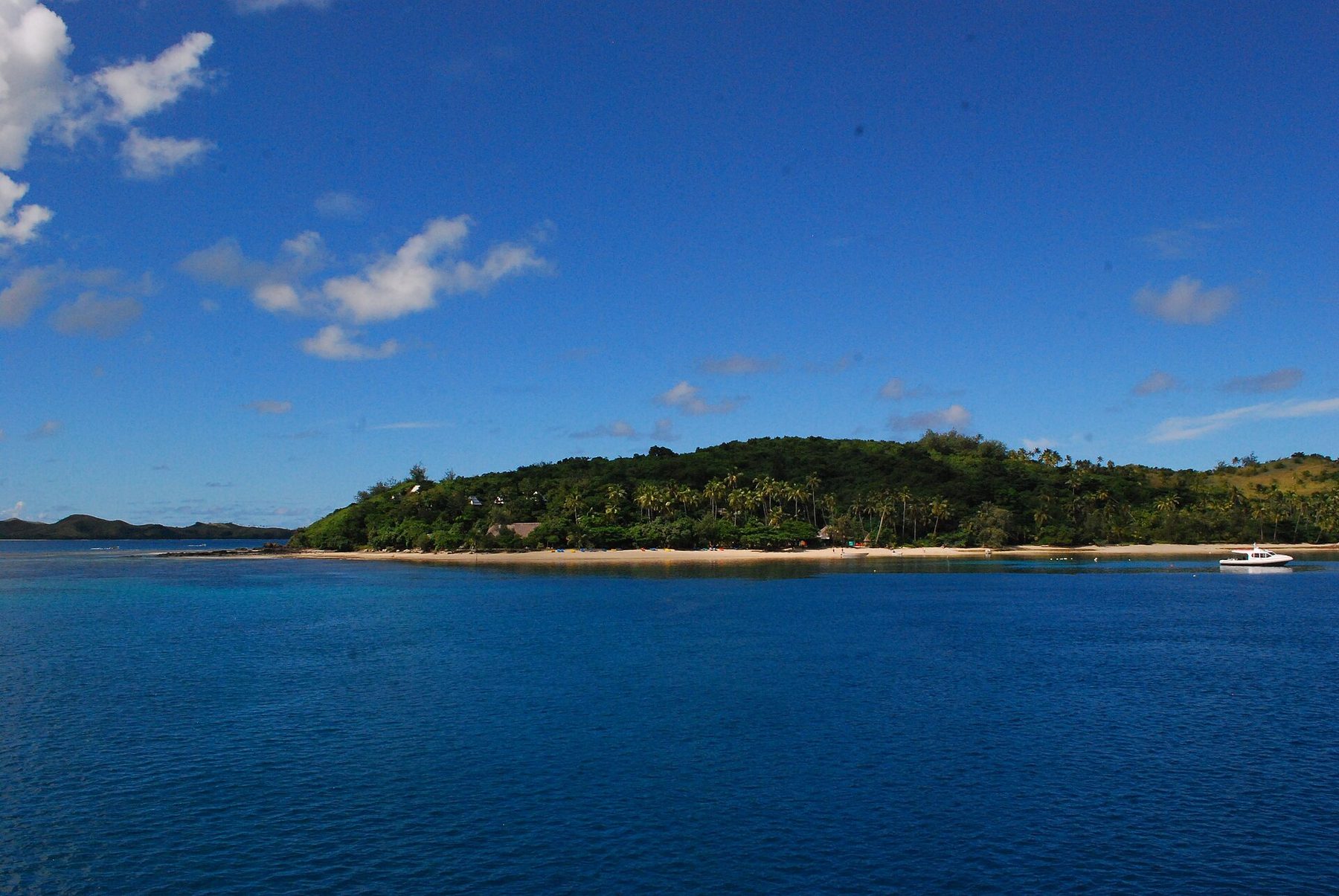
The Yasawas are for couples who want to feel genuinely far away. The islands are mountainous, with peaks rising roughly 800 to nearly 2,000 feet, so there's real drama in the scenery: hikes to grassy ridgelines with views over turquoise channels, beaches tucked between headlands and bays without a building in sight.
Because tourism arrived late, village life remains at the center of things. A visit to a local community, a Sunday church service with soaring harmonies or a kava session on the sand can be the most moving part of the trip. With excellent snorkeling, a famous cave system and the chance to swim with manta rays, the Yasawas offer a wilder, richer honeymoon than the more developed islands to the south.
When to Go
The Yasawas follow Fiji's general pattern. The dry season, May through October, brings sunny days, lower humidity and the calmest seas. July is typically the driest month. This is also when manta rays gather in the channels of the central Yasawas, generally from about May to October, making it the best window for an encounter.
November through April is the warm, wet season. Daytime highs climb close to 90°F, rain is heavier (March is usually the wettest month) and cyclones are possible. Seaplane schedules can be affected by weather, so if you travel then, build some flexibility into your itinerary. With few rooms at top resorts, book six to twelve months ahead for the dry season.
Where to Stay
For honeymooners, one property stands above the rest. Turtle Island, on the private island of Nanuya Levu, welcomes just 14 couples at a time to its thatched bures. The resort spans about 500 acres and a dozen beaches, so couples are regularly dropped at a private beach with a picnic. Meals, drinks and most activities are included and every couple has a personal Bure Mama. The bures face the very lagoon where The Blue Lagoon was filmed. Rates run well into four figures a night for two, all-inclusive (approximate).
Elsewhere in the group, accommodations range from upscale boutique resorts to simple, friendly backpacker lodges on islands like Tavewa. Luxury options are limited, which keeps the Yasawas quiet, but it also means the best rooms book up quickly. The boutique resorts usually cost a few hundred dollars a night for two, often with a compulsory meal plan (approximate).
Romantic Things to Do
The Sawa-i-Lau caves are the Yasawas' most famous sight. Inside a limestone island, you'll swim in a cathedral-like chamber lit by sunlight from above, then, with a guide, duck through an underwater passage into a darker inner cave. The dive under the rock is short but it is a breath-hold in the dark, so the less confident swimmer of the two can happily stay in the first chamber. The setting appeared in the sequel to The Blue Lagoon. It feels suitably cinematic.
In season, snorkeling with manta rays in the channels near Drawaqa Island is worth planning a trip around. Closer to your resort, ask about a private picnic on an empty beach, a horseback ride along the sand, or a hike to a ridgetop viewpoint at sunrise. Evenings belong to kava circles, lovo feasts and stargazing far from any city lights.
Getting There & Around
Seaplanes are the fastest and most scenic way in, with multiple daily flights from Nadi. Turtle Island is about 30 minutes by seaplane. The flight is a highlight in itself, tracking over the Mamanucas and the reefs to the north. Weight limits apply and seaplanes don't fly after dark, so plan your international arrival with that in mind.
By sea, the Yasawa Flyer catamaran runs from Port Denarau and makes stops along the chain, an affordable but lengthy option that can take several hours to reach the northern islands. Private boat transfers and helicopter charters are also possible. Once you've arrived, resorts arrange boats for excursions to the caves, manta sites and neighboring islands.
Food & Drink
Dining in the Yasawas is almost entirely resort-based, so meal plans are common and often required. The best resorts lean on fresh fish from the surrounding reefs, tropical fruit and produce from their own gardens. Turtle Island, for example, draws on a large organic garden and serves everything from communal dinners to private candlelit meals on a floating pontoon.
Don't miss a lovo, the traditional Fijian feast cooked underground on hot stones, which many resorts host weekly. Kokoda, raw fish cured in citrus and coconut cream, makes a fine lunch. In the evenings, a kava ceremony with resort staff or villagers is the social heart of island life. Clap once before you accept the coconut-shell cup, drink it in one go, then clap three times after.
Honeymoon Tips
- Spend at least five nights. Getting here takes effort and Turtle Island has a multi-night minimum stay anyway.
- Arrive in Nadi early enough for a daylight seaplane, or plan a night near the airport.
- Pack light and in soft bags to stay within seaplane weight limits.
- Pack insect repellent. Dengue occurs in Fiji, so if you're pregnant or hoping to be soon, check CDC travel health notices before you go.
- Bring cash in Fijian dollars for village visits, handicrafts and church collections.
- Carry a sulu or sarong and cover shoulders and knees in villages; remove hats and sunglasses when entering.
- Combine the Yasawas with the Mamanucas or Northern Fiji for contrast between remote and easy, or reef and rainforest.