Why Morocco for a Honeymoon
Few countries within an overnight flight of the US give you this much range. Marrakech is the energetic gateway, all palace gardens, spice stalls and rooftop bars. Fes is older and more intense, a working medina where tanners, coppersmiths and weavers still run family workshops. In between sit the High Atlas, where you can hike between Amazigh villages and sleep in a stone kasbah with snow on the peaks in spring.
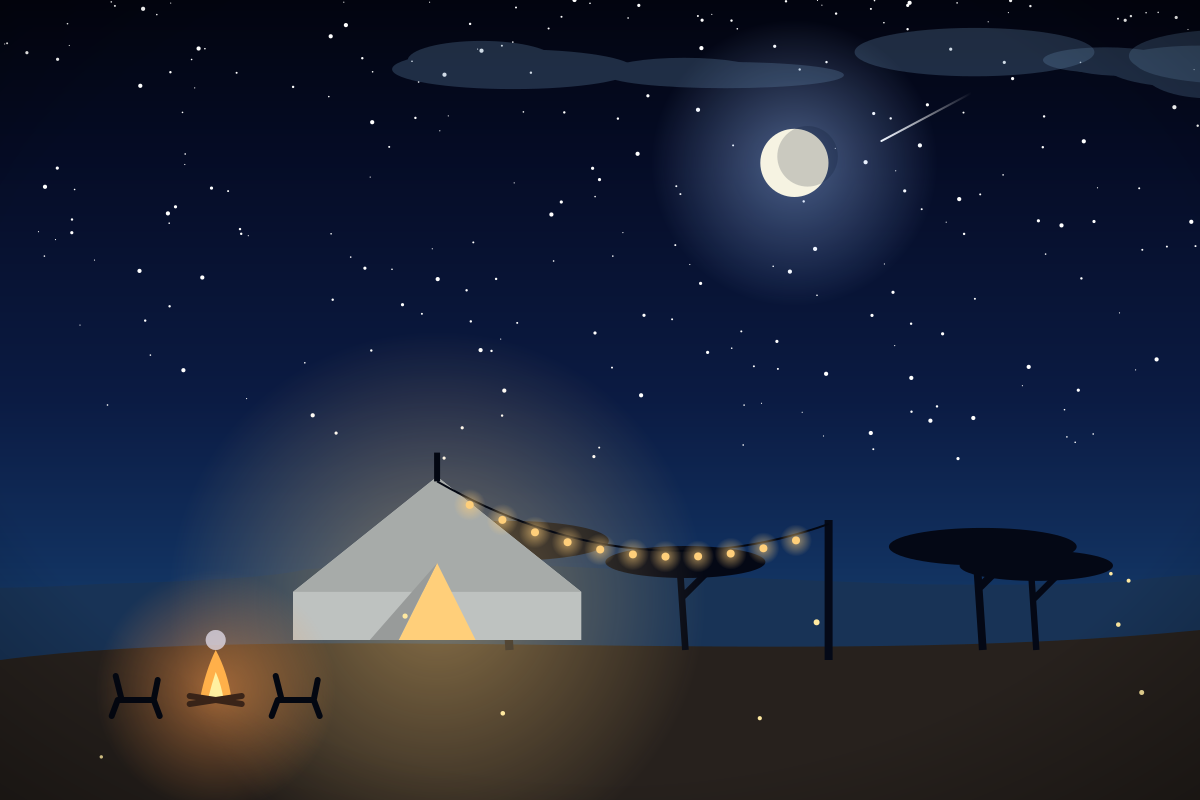
Then there is the desert. A night at a camp in the Sahara dunes is the moment most couples talk about years later: silence, cold sand under bare feet and more stars than you knew existed.
The riad is the other draw. These inward-facing houses built around a tiled courtyard feel private in a way hotels rarely do. Many have only five to ten rooms. Add hammam rituals for two, cooking classes and some of the best value luxury in the Mediterranean world. Morocco earns its place on a honeymoon shortlist.
Best Time to Visit
Spring (March to May) and fall (late September to November) are the sweet spots. Days in Marrakech and Fes run warm without being punishing, the Atlas valleys are green or golden and desert nights are cool rather than freezing. April and October are about as good as Moroccan weather gets.
Summer is hot inland. Marrakech and Fes regularly pass 100°F in July and August. The Sahara is too hot for comfort by midday. If summer is your only window, base yourself on the Atlantic coast in Essaouira, where the trade winds keep things in the 70s. Limit the desert to a single quick night.
Winter (December to February) is bright and pleasant by day in Marrakech but chilly at night. Riads can feel cold since they are built for heat. Snow closes high passes now and then. It is still a good time for a quieter, cheaper trip if you pack layers.
Ramadan shifts about 11 days earlier each year. Travel during it is possible, but many medina restaurants close by day and the pace changes.
Where to Go
Most honeymoons combine three to five of these places. Our destination guides cover each one in detail.
- Marrakech: the natural first stop, with riads, gardens and the nightly theater of Jemaa el-Fnaa square.
- High Atlas Mountains: an hour or two from Marrakech, for village walks, mule paths and quiet kasbah lodges below Toubkal.
- Merzouga and the Erg Chebbi dunes: the classic Sahara camp night, reached by a scenic two-day drive.
- Fes: the deepest and most absorbing medina in the country, best for couples who love history and craft.
- Chefchaouen: the blue-washed town in the Rif mountains, slow and photogenic, ideal for two unhurried nights.
- Essaouira: a breezy walled port on the Atlantic, the place to exhale with grilled fish and long beach walks at the end of a trip.
If you have only a week, pick Marrakech, the mountains and the desert, or Marrakech plus Essaouira for a gentler pace.
Sample 10-Day Itinerary
Day 1: Land in Casablanca or Marrakech and transfer to your riad. Keep the evening simple with dinner on a rooftop.
Days 2–3: Marrakech. Morning in the Majorelle Garden before the crowds, an afternoon hammam for two, then the food stalls of Jemaa el-Fnaa at dusk. On day three, consider a sunrise balloon flight.
Day 4: Drive into the High Atlas and spend a night in a mountain lodge near Imlil.
Days 5–6: Cross the Tizi n'Tichka pass, stop at the fortified village of Ait Benhaddou, sleep in the Dades or Todra gorge area, then continue to Merzouga in time for a camel ride at sunset and a night in a desert camp.
Days 7–8: Long drive north through the Middle Atlas cedar forests to Fes. Spend a full day in the medina with a licensed guide.
Day 9: Day trip to the Roman ruins of Volubilis and the imperial city of Meknes, or rest at the riad. Chefchaouen is three and a half to four hours from Fes, so it deserves its own two nights rather than a day trip.
Day 10: Train to Casablanca for your flight home, or fly out of Fes via a European hub.
Budget and Costs
All figures here are approximate and swing with season and exchange rates.
A well-run riad with character costs roughly $120–300 a night for two. Top-end riads and palace hotels in Marrakech start around $500 and climb well past $1,000. Good desert camps with private tents and en suite bathrooms typically run about $250–600 a night for two with dinner and breakfast, while simpler camps are far cheaper.
A private driver with a vehicle for a multi-day route usually lands around $150–250 a day before tips. Licensed medina guides charge roughly $40–80 for a half day. Food is good value: a tagine and mint tea at a local spot can be under $10 each, while a tasting dinner at a smart Marrakech restaurant may be $60–120 per person with wine.
A comfortable 10-day honeymoon for two, excluding flights, often lands in the $4,000–8,000 range. You can spend much more, but Morocco is one of the rare places where mid-range money buys a genuinely special experience.
Getting There and Around
Royal Air Maroc runs the nonstops from the US into Casablanca Mohammed V (CMN), from New York JFK, Washington Dulles and Miami, with Los Angeles also on the route map. East Coast flights take about seven hours overnight. From Casablanca you can connect on a short domestic hop to Marrakech or take the train. Many couples skip Casablanca entirely by connecting in Paris, Madrid or Lisbon straight to Marrakech (RAK) or Fes (FEZ).
Trains run by ONCF are comfortable and cheap. The Al Boraq high-speed line links Tangier, Rabat and Casablanca. Regular lines continue to Fes, Meknes and Marrakech. Book first class for more space.
For the mountains and the desert, hire a private driver. The roads are decent but long, mountain passes demand attention and a driver who knows where to stop for lunch or a viewpoint changes the trip. Self-drive works on the coast if you are confident. In cities, petit taxis are cheap; insist on the meter or agree a price first.
Culture and Etiquette
Morocco is a Muslim country with a long habit of welcoming visitors. A little effort goes a long way. Cover shoulders and knees in medinas and villages. It is a courtesy rather than a rule, but it noticeably reduces unwanted attention. Women can still get comments and the odd follower in the medinas, more so when walking apart from a partner; a firm la shukran and walking on without engaging usually ends it. Keep affection modest in public; holding hands is fine, while kissing on the street will draw looks.
A few words of Arabic or French help. Salam alaikum (peace be upon you) and shukran (thank you) earn smiles. Ask before photographing people, especially women and elders. Expect a tip request from performers in Jemaa el-Fnaa if you raise a camera.
Bargaining in the souks is normal and should stay good-humored. Decide what an item is worth to you before asking the price and walk away politely if it does not work.
Most mosques are closed to non-Muslims. The big exception is the Hassan II Mosque in Casablanca, which offers guided tours. Alcohol is served in licensed hotels, bars and some restaurants. Morocco makes its own wine, mostly around Meknes.
Safety and Practical Matters
The US State Department rates Morocco Level 2, exercise increased caution, citing the risk of terrorism. In practice, the main issues visitors meet are petty theft and hustle in busy tourist areas. Keep phones out of reach in crowds, use the hotel safe and be wary of anyone offering to show you the way or insisting a street is closed. A riad staff member or licensed guide is worth having on your first medina walk.
Tap water is generally treated in cities, but most travelers stick to bottled water to avoid stomach trouble. Pack a basic kit for it anyway.
Card payments are accepted at hotels and upscale restaurants, but the medina runs on cash. ATMs are easy to find in cities and scarcer in the desert and mountains, so carry enough dirhams for a few days.
Travel insurance with medical evacuation is wise for the Atlas and Sahara, where proper hospitals are hours away.
Quick tips
- The dirham is a closed currency: withdraw from ATMs on arrival and spend or change it before you fly home.
- Book a riad that sends someone to meet you at the medina gate, since cars cannot reach most doors.
- Check Ramadan dates before booking; alcohol and daytime dining get harder to find outside hotels.