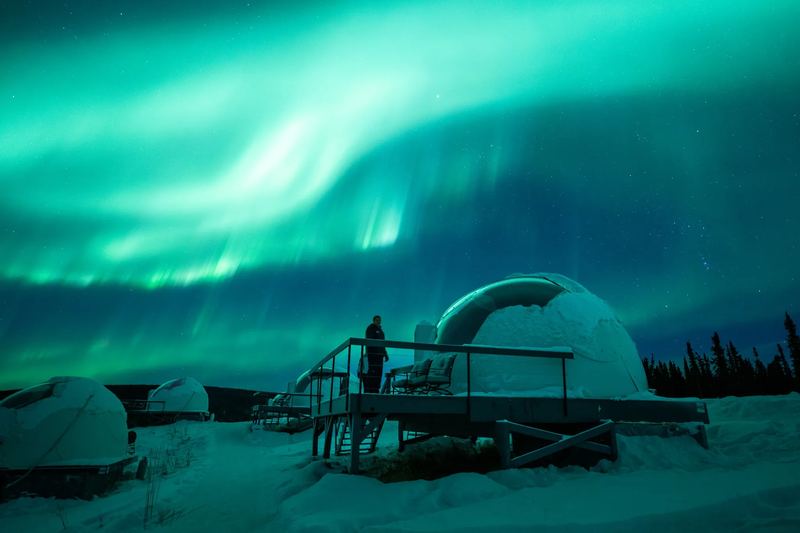
Why Honeymoon in Fairbanks
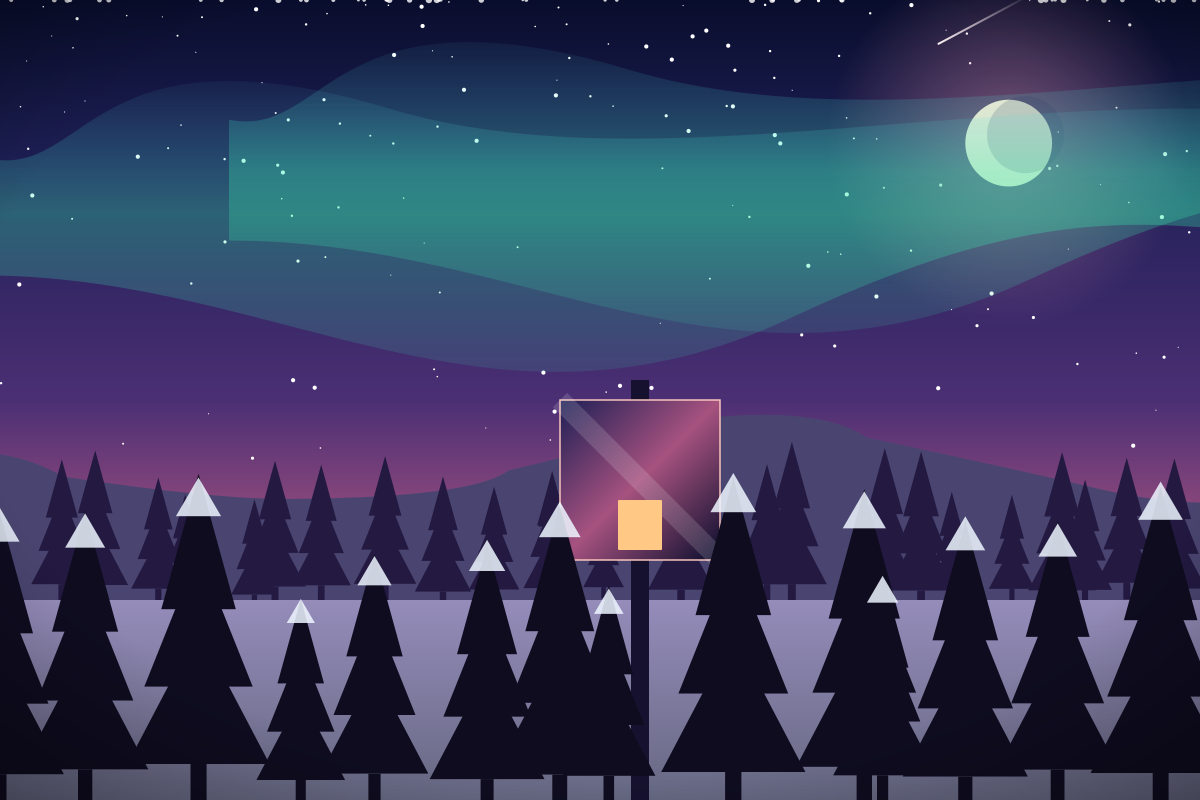
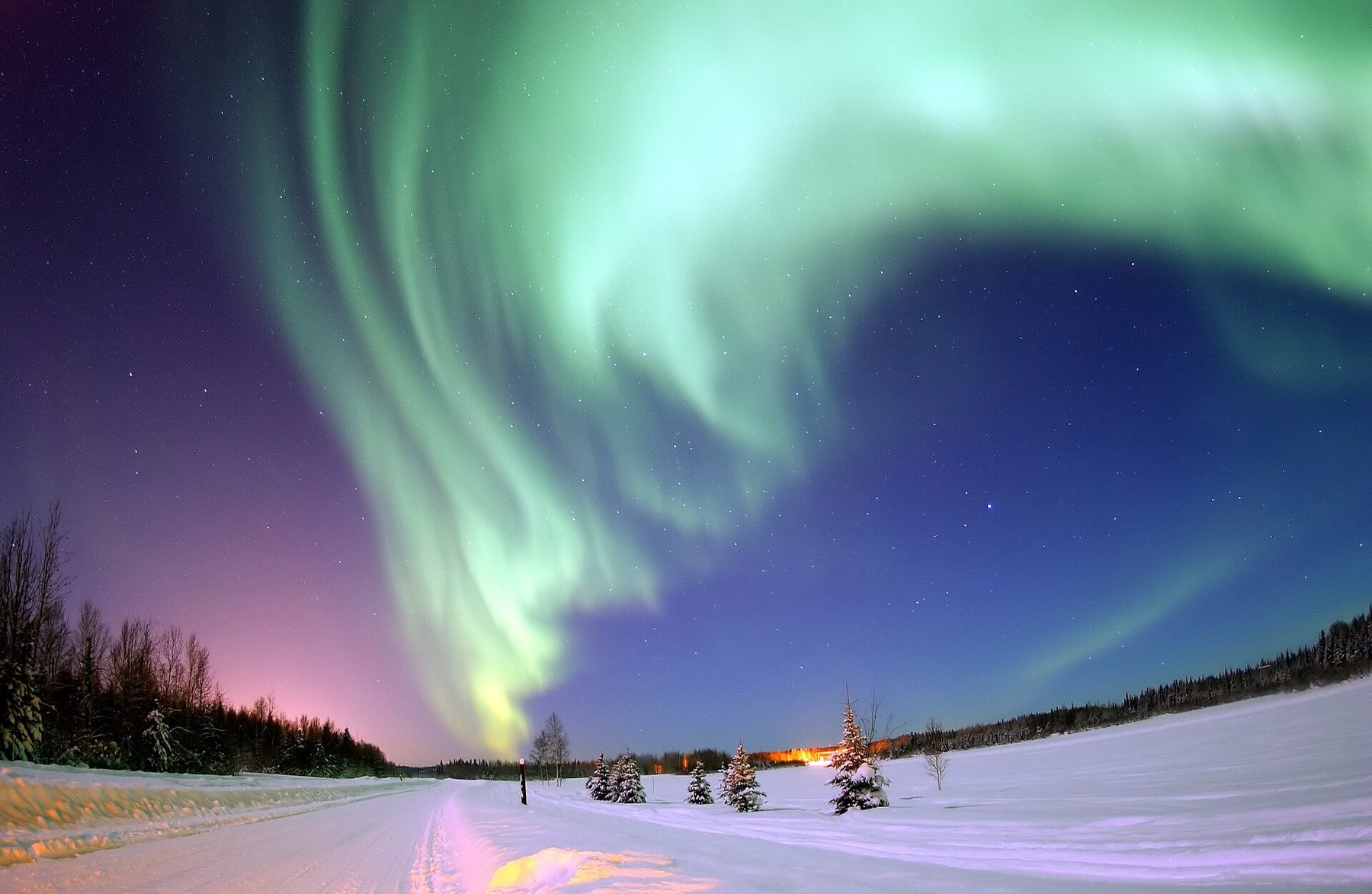
The northern lights are the headline. Fairbanks is among the best places on earth to see them. Its position under the aurora oval, its relatively dry interior climate and its wide, dark skies give couples excellent odds over a stay of several nights. Seeing the aurora for the first time, together, is the kind of shared memory that stays with you for life.
Beyond the lights, Fairbanks offers a genuine taste of the Alaskan frontier: sled dogs and mushers, reindeer, frozen rivers, gold-rush history and a strong Alaska Native cultural heritage. It is an adventurous, unconventional honeymoon, ideal for couples who would rather wear parkas than swimsuits and who love the idea of a trip that feels like a true expedition.
When to Go
The aurora season runs roughly from late August to late April, when nights are dark enough to see the lights. Within that window:
- Late August to September offers milder weather, fall colors and the chance to see the aurora reflected in lakes before the freeze.
- November to February brings the longest, darkest nights and deep snow, but temperatures can plunge far below zero and December daylight lasts only about four hours.
- March is a sweet spot for many couples, with long dark nights, more daylight for activities and slightly milder temperatures.
In summer, roughly late April to late August, the aurora is not visible because it never gets fully dark. Instead, you can enjoy the midnight sun, with nearly round-the-clock daylight around the summer solstice, which leaves plenty of hours for hiking, river cruises and late-night adventures.
Where to Stay
Our featured stay is Borealis Basecamp, about 25 miles north of Fairbanks on 100 acres of boreal forest. Its signature igloos, built from insulated fiberglass with 16-foot curved clear roofs, let you watch the aurora from bed. Each has a private bathroom. Staff provide aurora wake-up calls. Packages include airport transfers and on-site activities, with dining at Latitude 65, a pub and a café.
Other options include lodges and cabins outside the city, which offer darker skies. Hotels in Fairbanks itself are convenient but more affected by light pollution. Chena Hot Springs Resort, about an hour's drive northeast of town, combines natural hot springs with aurora viewing. Many couples split their trip between a night or two in town and a longer stay at a wilderness lodge. None of this is cheap: aurora igloos and lodges often cost several hundred dollars a night or more in peak months such as March (approximate), usually sold as multi-night packages.
Romantic Things to Do
Hunting the northern lights is the main event, whether from your igloo, a heated viewing cabin or a guided aurora tour into the hills. Between nights, try dog sledding with a local musher, a thrilling and surprisingly peaceful way to glide through the forest. Snowmobiling, snowshoeing and cross-country skiing are popular too.
Soak in the outdoor rock pool at Chena Hot Springs and visit its Aurora Ice Museum, filled with intricate ice sculptures. In town, explore the University of Alaska Museum of the North, meet reindeer at a local ranch or visit Santa Claus House in nearby North Pole. In late winter, the city hosts a celebrated ice art competition. In summer, take a riverboat cruise, hike under the midnight sun and fish for salmon.
Getting There & Around
Fairbanks International Airport (FAI) is served by flights from Anchorage and Seattle year-round, with additional seasonal nonstop service from other US cities. Most travelers from the Lower 48 connect through Seattle or Anchorage. The airport is about 10 minutes from downtown. Wilderness lodges are typically 30 minutes or more beyond the city.
Many aurora lodges, including Borealis Basecamp, include transfers in their packages. If you rent a car in winter, make sure you are comfortable driving on snow and ice. Keep emergency supplies in the vehicle. Many visitors prefer to rely on tours and lodge transportation instead. The Alaska Railroad also connects Fairbanks with Denali and Anchorage, a scenic option for a longer itinerary.
Food & Drink
Alaskan cuisine is hearty and centered on wild ingredients: salmon, halibut, king crab, reindeer sausage and berries foraged from the tundra. Look for birch syrup (a local alternative to maple syrup) and sourdough, a nod to the gold-rush era.
Fairbanks has a casual dining scene with cozy cafés, brewpubs and restaurants serving fresh seafood and global flavors. At Borealis Basecamp, Latitude 65 offers multicourse dinners built on local and foraged ingredients, a lovely way to pass the evening while you wait for the aurora. And nothing beats a mug of hot cocoa or a warm drink between aurora sightings.
Honeymoon Tips
- Stay at least three or four nights to maximize your chances of clear skies and aurora activity.
- Plan around the new moon for the darkest skies.
- Pack serious cold-weather gear: base layers, insulated parkas, boots, mittens and hats.
- Bring a tripod and learn your camera's manual or night mode before you go.
- Keep batteries warm, as cold drains them quickly.
- Book aurora lodges and activities early for peak months like March.
- Check aurora forecasts, but remember that clear skies matter just as much.