Why Honeymoon on the Big Island
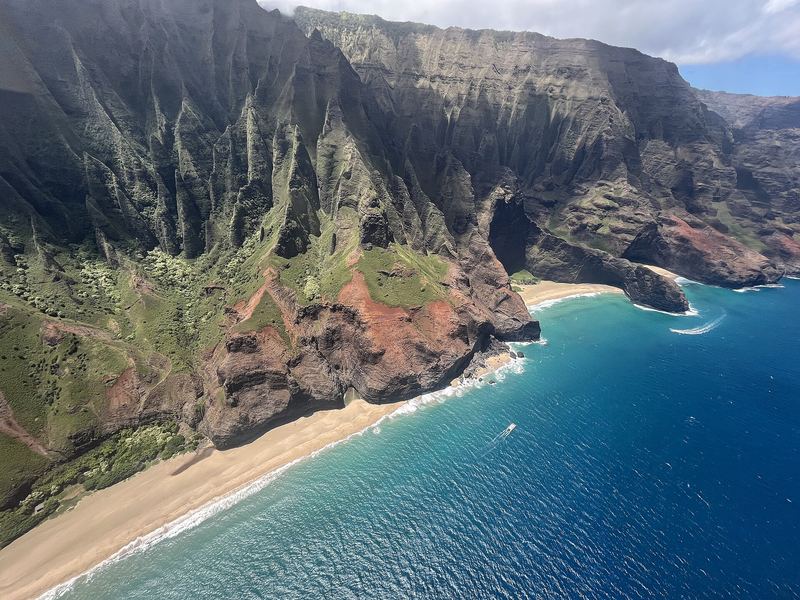
Few places pack this many landscapes into one trip. In a single week you can snorkel a reef full of turtles, hike through rain forest to a waterfall, stand on a cooled lava flow and drink coffee grown on the slopes above your hotel. By one common count the island holds 10 of the world's major climate zones, which is why the scenery changes every 20 minutes of driving.
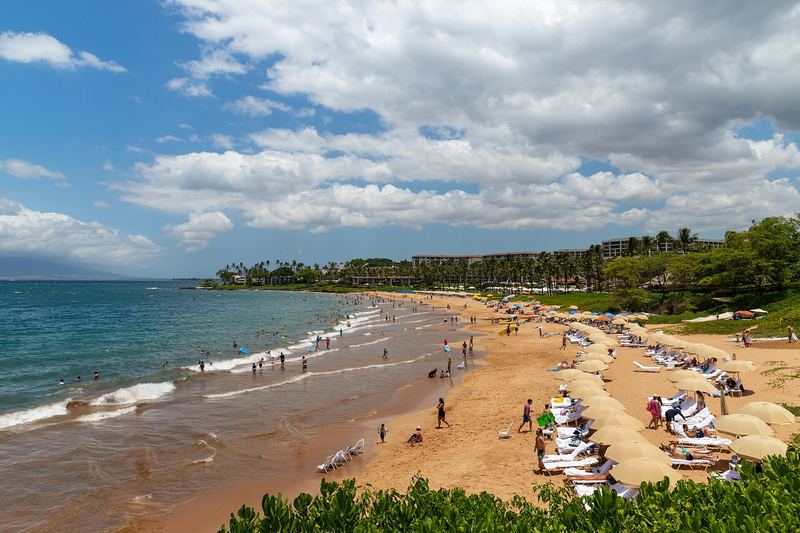
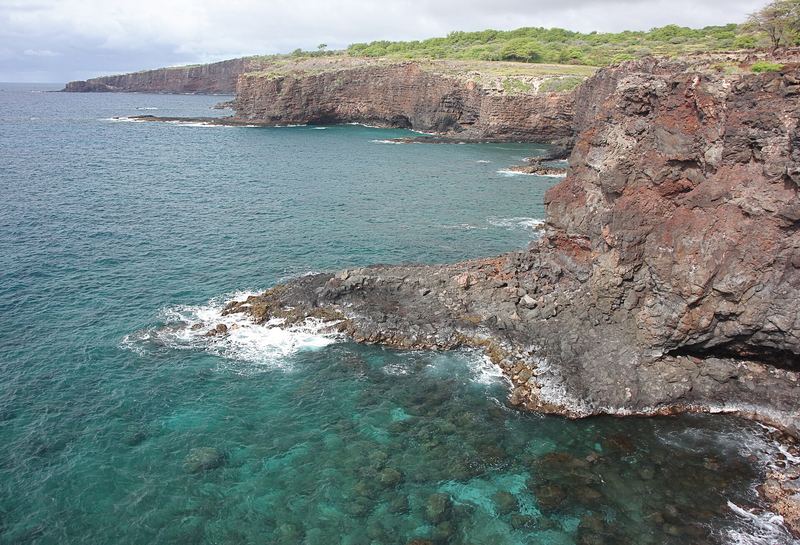
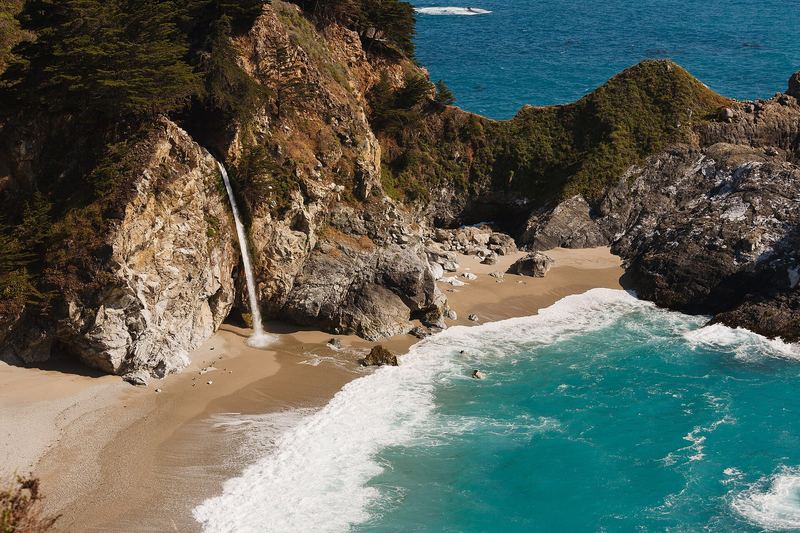
The Kohala Coast resorts are among the best in Hawaii, but they feel less crowded than Wailea or Waikiki because the coast is long and the properties are spread out. Many sit on sheltered bays carved out of black lava, with white sand that the resorts maintain. Nights are the other draw. The air above Mauna Kea is so clear that some of the world's largest telescopes are built on its summit. You do not need a telescope to be amazed.
When to Go
The Kohala and Kona coasts are sunny and dry most of the year, with highs in the low to mid 80s. Hilo is one of the wettest towns in the country, though rain there usually comes in showers rather than all-day downpours.
April through June and September through October are the sweet spots: good weather, lower rates and fewer families. Winter brings humpback whales offshore from roughly December to April, plus higher prices around the holidays. Summer is warm and busy but rarely uncomfortable thanks to the trade winds.
Volcano viewing is not seasonal. Kīlauea's episodes come and go on the volcano's schedule, so check the USGS Hawaiian Volcano Observatory and the national park's website the week before you travel. Vog, a volcanic haze, can drift toward Kona when winds are light. That is worth knowing if either of you has asthma.
Where to Stay
Most honeymooners base themselves on the Kohala Coast, north of Kona. Four Seasons Resort Hualalai is the most polished choice, with low-rise bungalows, several pools and a natural saltwater pool stocked with reef fish. Mauna Kea Beach Hotel, built by Laurance Rockefeller in 1965, sits on one of the island's finest crescent beaches and is known for its nighttime manta ray viewing from the point. Mauna Lani, an Auberge Resorts property, has ancient fishponds on its grounds and a relaxed, residential feel.
Plan at least one or two nights near the volcano. Volcano House is the only hotel inside Hawaiʻi Volcanoes National Park, perched on the rim of the caldera; ask for a crater view room. The village of Volcano, just outside the park, has small cottages and bed and breakfasts tucked into the ferns. Staying there spares you a five-hour round trip from Kohala and puts the night glow within a few minutes' drive. As a rough guide, the top Kohala resorts often run from about $1,000 to well over $2,000 a night in winter (approximate), while Volcano cottages cost far less.
Romantic Things to Do
The manta ray night snorkel is the island's signature experience. Boats leave Kona and Keauhou in the evening, guides shine lights into the water to attract plankton and the mantas, some with wingspans over 10 feet, glide and somersault beneath you. It is otherworldly and surprisingly calm.
In the national park, walk part of the Crater Rim Trail, look into Halemaʻumaʻu from the Kīlauea Overlook and drive Chain of Craters Road down to the sea arch. Come back after dark if the volcano is active; the glow is better at night.
On the north tip, hike down the switchbacks into Pololū Valley for a black boulder beach backed by cliffs. On the east side, Akaka Falls drops more than 400 feet into a gorge. Book a guided sunset and stargazing tour on Mauna Kea rather than driving the summit road yourself; it requires four-wheel drive and the altitude is no joke.
Getting There and Around
Kona International Airport (KOA) has nonstop flights from several West Coast cities, including Los Angeles, San Francisco and Seattle, with some seasonal service from farther inland. Hilo (ITO) is mostly served by interisland flights from Honolulu. From the East Coast, plan on a connection through the West Coast or Honolulu.
You need a rental car. Distances are long: Kona to Hilo is about two hours across the Saddle Road. Kohala to the volcano is close to three. Many couples fly into Kona, spend most of the trip on the west side and then do one or two nights near the volcano before looping back. A few rental agreements restrict driving on certain roads, so read the fine print before heading up toward Mauna Kea. Gas up when you see a station on the east and south sides, since they are spread thin.
Food and Drink
Coffee is the thing to taste. The Kona coffee belt runs along the slopes above Kealakekua and Hōlualoa, where small family farms offer tours and tastings of beans grown in volcanic soil. Ask whether a bag is 100 percent Kona; blends labeled "Kona" can contain as little as 10 percent.
The Kohala resorts each have a showpiece restaurant. Dinner by the water at sunset is part of the deal. Do not stop there. Kona has casual fish shacks and plate lunch spots. Hilo's farmers market sells lilikoʻi, rambutan and apple bananas you will not find on the mainland. Try loco moco, the rice, burger patty, fried egg and gravy dish that was invented in Hilo. In Waimea, upcountry ranch country, look for grass-fed Big Island beef. For something sweet, a ube or coconut malasada from a roadside bakery makes a good road trip snack.
Honeymoon Tips
- Split your stay. Four or five nights on the Kohala Coast plus two near the volcano works far better than day-tripping to the park.
- Pack layers. It can be 85 degrees at your pool and 45 at the volcano or on Mauna Kea after dark.
- Respect closures at the crater. Volcanic gases are dangerous. The hazardous zones are closed for a reason.
- Leave lava rocks and sand where they are. Taking them is illegal in the park and widely considered disrespectful.
- Book the manta snorkel for early in your trip. If conditions cancel it, you have nights left to reschedule.
- Bring reef-safe sunscreen. Hawaii bans sunscreens with oxybenzone and octinoxate.