
Why the Cook Islands for a Honeymoon
The appeal is scale. Rarotonga has about the population of a small American town; Aitutaki has far fewer people still. Resorts tend to be clusters of bungalows rather than towers. Plenty of the best stays are locally owned. You get real privacy without paying private-island prices, although Aitutaki can deliver those too.
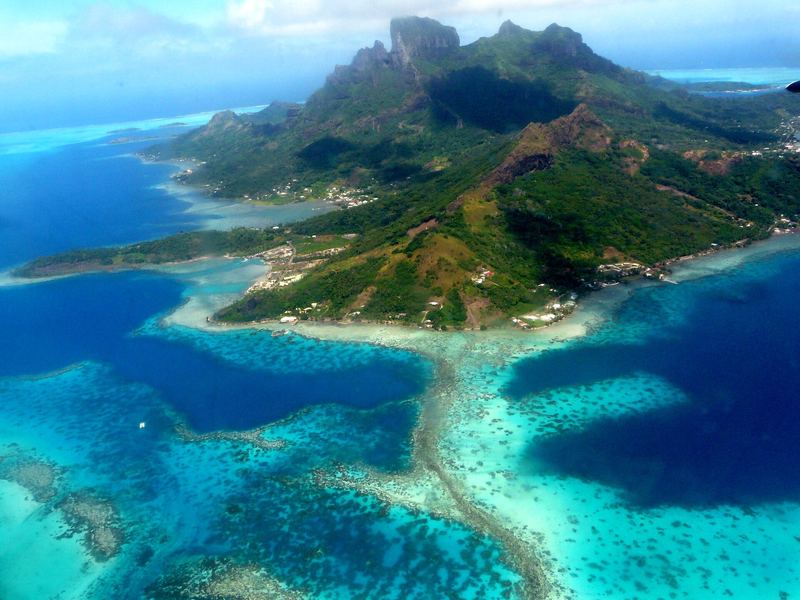
The lagoon is the main event. On Aitutaki a day cruise crosses water that ranges from pale aqua to deep sapphire, stopping at sandbanks and tiny motu (islets) such as One Foot Island, where you can get a novelty stamp in your passport. On Rarotonga, Muri Lagoon is shallow enough to paddle across to small uninhabited islets.
The culture is lively and easy to join. Polynesian dance here is fast and athletic, with drumming that rattles the floor at island night shows. Sunday church services at the Cook Islands Christian Church welcome visitors. The harmonized hymn singing is worth an early alarm.
Best Time to Visit
The best months are May–October, the cooler and drier half of the year. Days are warm and sunny in the high 70s to low 80s Fahrenheit, humidity is lower and the trade winds keep evenings comfortable. July and August are the busiest weeks because New Zealand and Australian families arrive for school holidays, so book Aitutaki rooms early if your dates land there.
November–April is the wet season and also cyclone season. It is hotter and stickier, with short heavy downpours and a real but small chance of a tropical storm disrupting a trip. Prices can soften and the lagoons stay warm enough to float in for an hour, so it is not a write-off. If you go in this window, buy travel insurance that covers weather delays and keep a buffer night before your international flight. Mosquitoes are worse in the wet months and dengue occurs, so pack repellent. If you're pregnant or hoping to be soon, check CDC travel health notices for the Cook Islands.
April, May and October are the quiet sweet spots. You usually get dry-season weather, thinner crowds and better odds on the room you want.
Where to Go
Rarotonga is where you land and where most of the country's restaurants, markets and activities are. The southeast side around Muri Beach has the calmest swimming lagoon and the most dining choice, while the south coast near Titikaveka has good snorkeling and quieter resorts. The west side has the sunsets. Plan three to five nights here: enough to hike the cross-island track, ride a lagoon cruise and catch an island night.
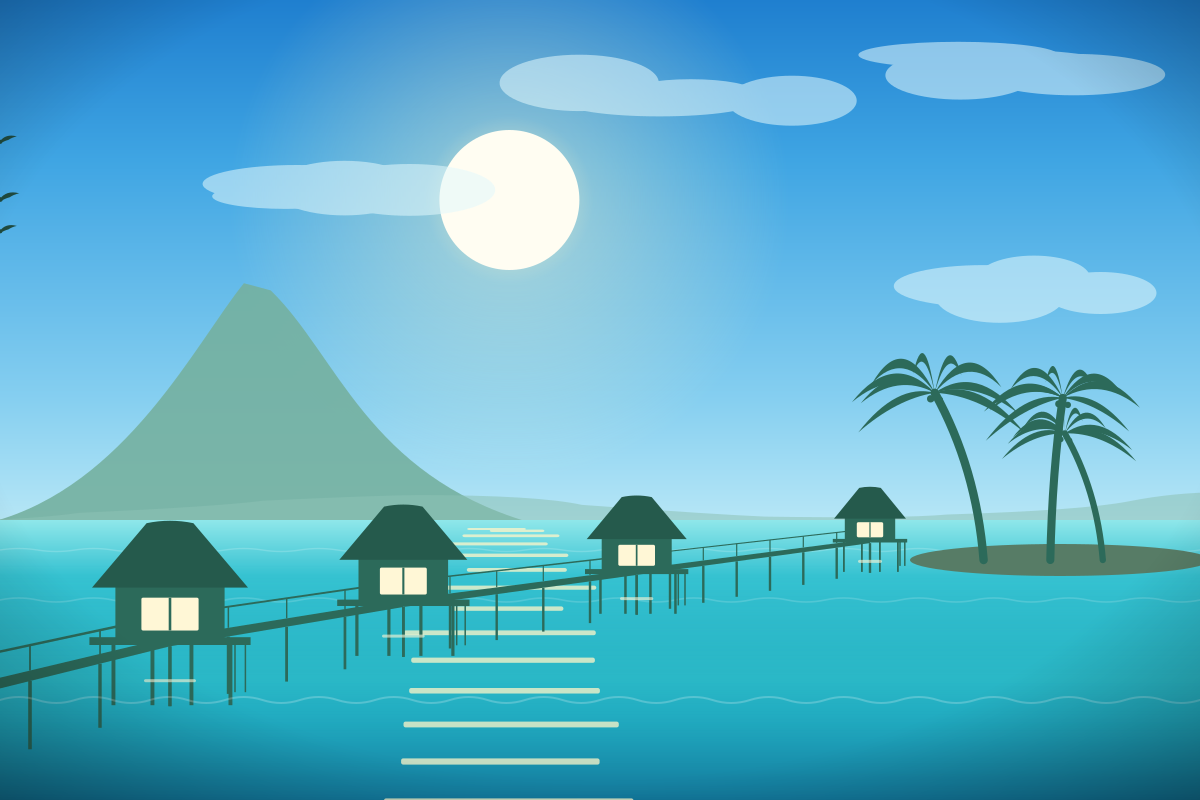
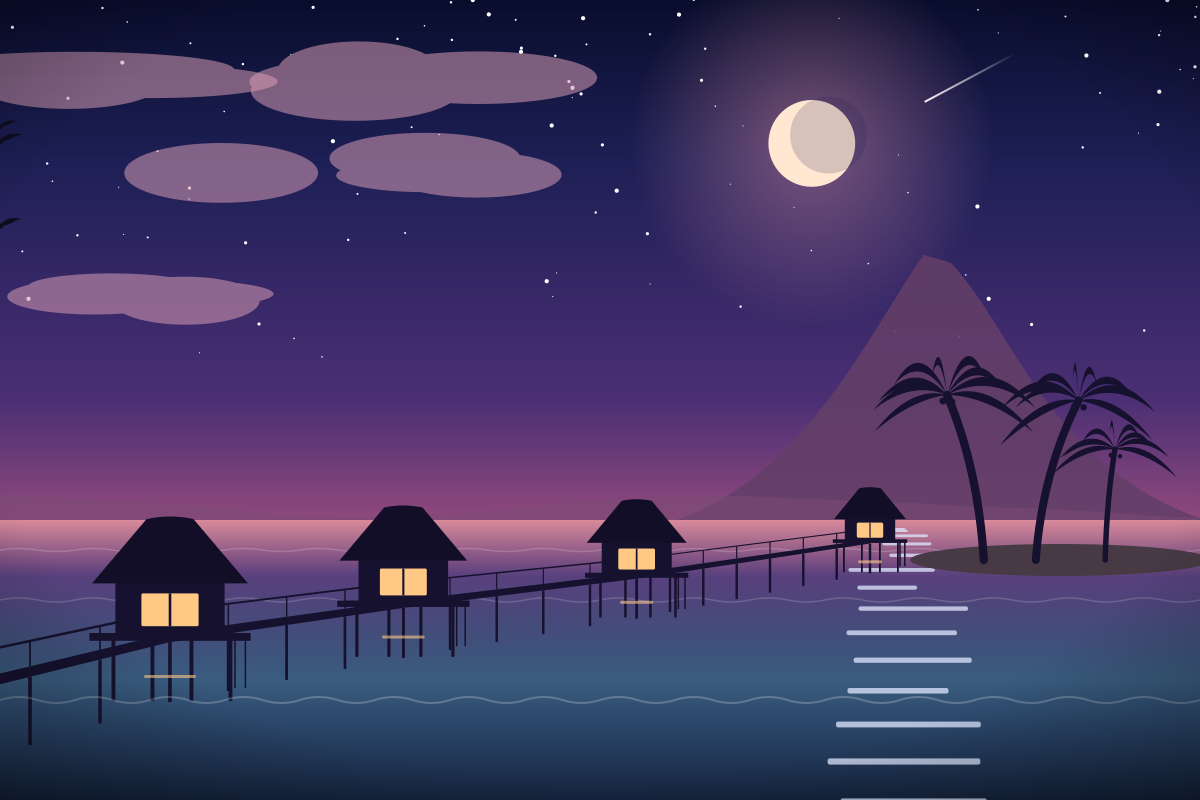
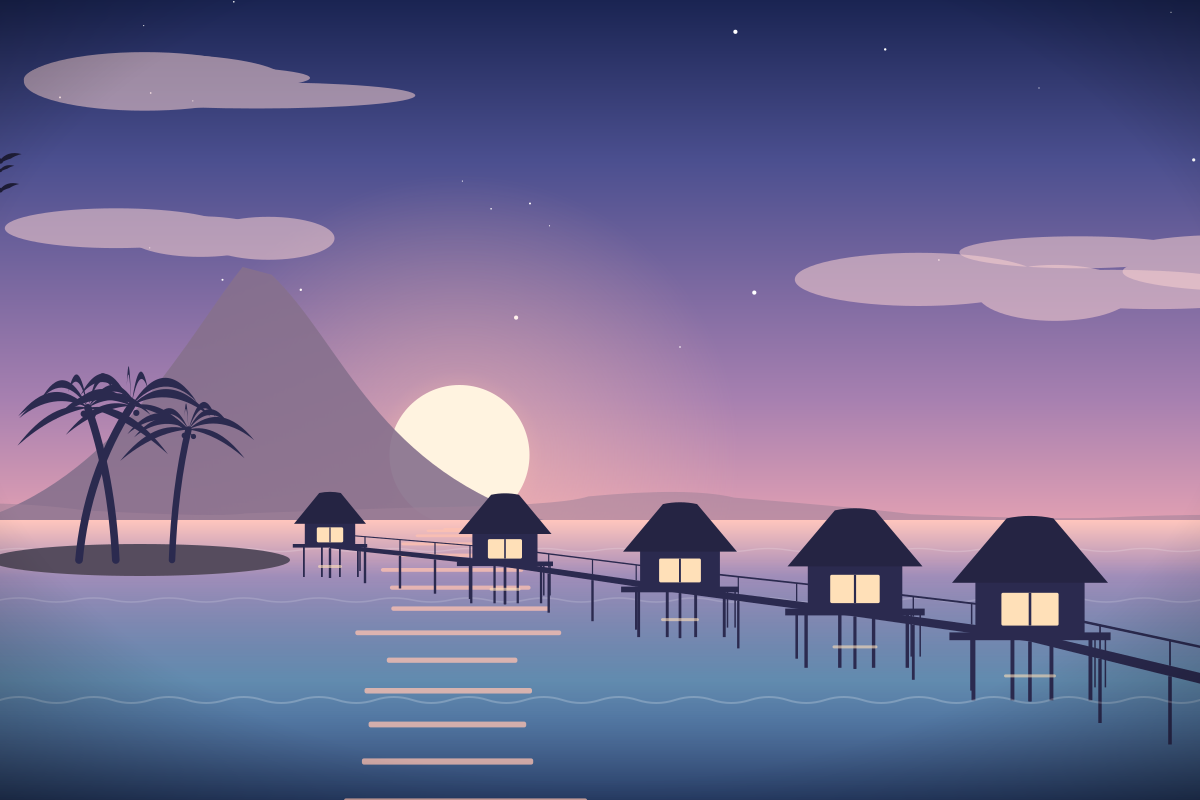
Aitutaki is the honeymoon island. The lagoon is huge and shallow, the beaches are emptier and the only Cook Islands overwater bungalows sit here, on a private islet. Most couples spend four to six nights, often at the end of the trip so the last days are the slowest.
The outer islands are for adventurers. Atiu has limestone caves and coffee grown on the island, while Mangaia is often described as one of the oldest islands in the Pacific. Both are reached on small Air Rarotonga flights a few times a week and have only simple guesthouses.
Sample 10-Day Itinerary
Day 1: Arrive late on the Honolulu flight or after connecting through Auckland or Papeete. Transfer to Muri and sleep.
Day 2: Swim, nap, then paddleboard across Muri Lagoon to the motu at golden hour.
Day 3: Hike the cross-island track past Te Rua Manga, the spire locals call the Needle, then cool off at Wigmore's Waterfall. Dinner at the Muri night market.
Day 4: Snorkel the Aroa Marine Reserve in the morning. Evening island night with dancing and a buffet.
Day 5: Saturday morning at Punanga Nui Market in Avarua for pareu, black pearls and coconut buns, then an afternoon on the west coast for sunset.
Days 6–9: Fly to Aitutaki. Take the full-day lagoon cruise to One Foot Island on your first clear day, then leave the rest open: kayaking, a couples massage, a sunset sail.
Day 10: Fly back to Rarotonga to connect home.
Budget and Costs
The Cook Islands cost less than Bora Bora but more than you might expect for a small island nation, because almost everything is shipped in. All figures here are approximate and swing with exchange rates.
On Rarotonga, comfortable beachfront bungalows commonly run from about US$200 to $450 a night, with kid-free boutique resorts above that. On Aitutaki, midrange beach bungalows sit in a similar band, while the private-island resort with overwater villas often costs well over US$1,000 a night in season and sets a minimum stay.
Dining out is closer to New Zealand prices than Southeast Asian ones. A casual lunch of fish and chips or a poke bowl is affordable; a nice dinner for two with drinks adds up. A full-day Aitutaki lagoon cruise with lunch is one of the better-value splurges. Many couples cut costs with a kitchen unit, groceries from town and a few planned dinners out.
Getting There and Around
Flights are the hardest part. Air New Zealand ended its old Los Angeles to Rarotonga nonstop after the pandemic, so most Americans now fly Alaska Airlines' weekly Honolulu to Rarotonga service, which takes roughly six hours and lands late in the evening. Because it runs once a week, your trip length is effectively set in seven-day blocks. Alternatives are Air Tahiti Nui from LAX to Papeete with a connection on Air Rarotonga, or Air New Zealand through Auckland, which adds a night or a long layover.
On Rarotonga, two public buses circle the island, one clockwise and one anticlockwise. They are the cheapest way around. Rental cars and e-bikes are easy to find; drive on the left. Scooters are popular but riding one may require a local permit and some practice.
Air Rarotonga flies to Aitutaki several times a day in about 50 minutes. Many resorts arrange transfers from the small Aitutaki airport.
Culture and Etiquette
Greet people with "kia orana," which literally wishes a long life and works as hello at any hour. Say "meitaki" for thank you. Locals use both constantly and are pleased when visitors do too.
Sunday is a quiet, family day. Many shops close, the buses run limited hours and some tours do not operate, so plan a beach day and maybe a church service. Visitors are welcome at the Cook Islands Christian Church on Sunday morning; dress modestly, with shoulders covered and no beachwear.
Swimsuits belong at the beach and pool. Cover up in town, in shops and in villages. Ask before photographing people. Land is customarily owned, so do not wander through private property to reach a beach. Tipping is not part of the culture, although nobody refuses a thank-you. Vaping devices are restricted, drug penalties are severe and drink-driving rules are enforced, including on scooters.
Quick tips
- Cook Islands dollar notes and coins can't be exchanged outside the country, so spend them before you fly home.
- A US car license may not cover scooters; ask about a local scooter permit at the police station in Avarua.
- Plan around the Honolulu flight: it runs only once a week each way, so your trip length comes in seven-day blocks.