Two Different Kinds of Beautiful
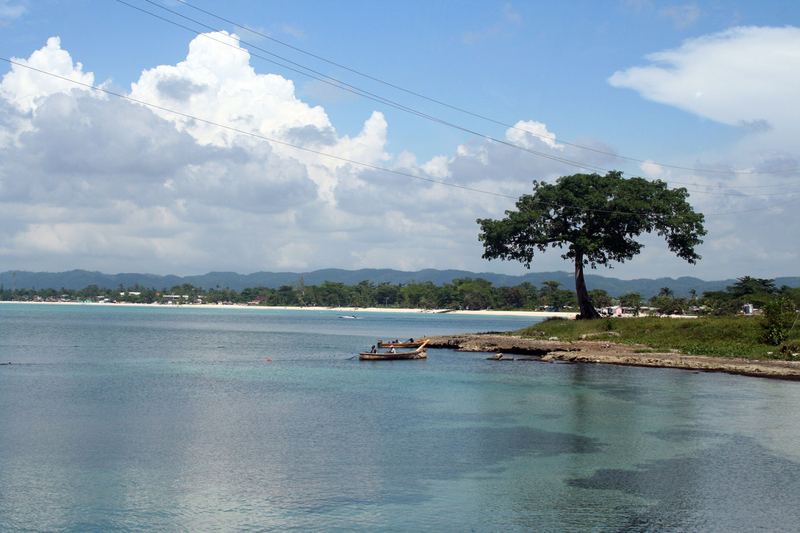
Jamaica's beauty is green and close-up. The Blue Mountains rise behind the north coast and rivers tumble out of the hills as waterfalls, Dunn's River Falls and YS Falls among them. The shoreline swaps between long sand and low limestone cliffs. Negril shows both in one town: Seven Mile Beach for calm swimming and the West End cliffs for ladders down into clear coves, with sunsets that draw a crowd every evening.
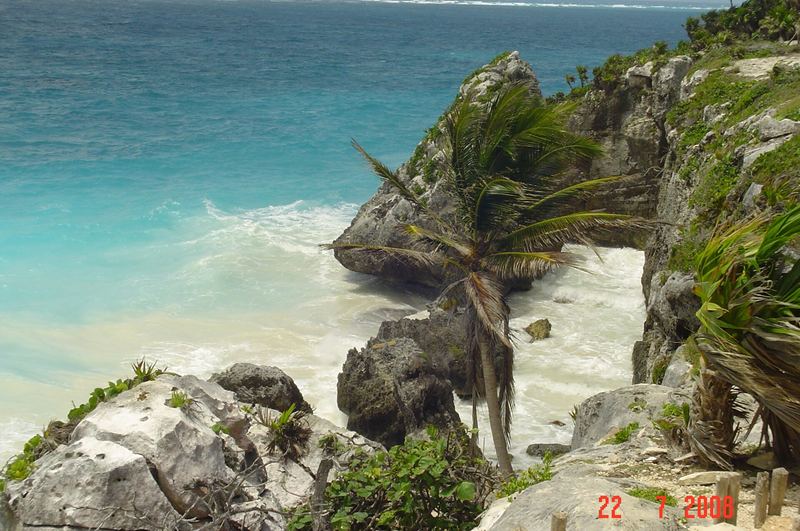
Mexico hands you two landscapes. The Caribbean coast is flat jungle meeting powdery white sand and turquoise water, with freshwater cenotes hidden in the limestone and the ruins of Tulum perched above the sea. The Pacific is drama of another kind. In Los Cabos, desert mountains and granite arches drop into the deep blue Sea of Cortez. Punta Mita is softer and greener, a jungle-wrapped peninsula with surf breaks and sunsets over Banderas Bay. If you picture a lush tropical island, Jamaica fits. If you want to choose between jungle beaches and desert cliffs, Mexico wins on range.
Getting There From the US
Both are easy, which is a big part of their appeal. Most Jamaica honeymooners land at Sangster International (MBJ) in Montego Bay, which has nonstops from many US cities in roughly 1.5 to 5 hours. Montego Bay resorts are minutes from the terminal, while Negril and Ocho Rios are each around 1.5 hours by road. Jamaica drives on the left and the roads wind, so most couples rely on transfers and hotel drivers.
Mexico has more gateways. Cancún (CUN) serves the Riviera Maya and Tulum, Los Cabos (SJD) serves the tip of Baja and Puerto Vallarta (PVR) serves Punta Mita. Nonstops run from most major US cities in about two to five hours. Transfers are short: 30 to 45 minutes from Cancún to Mayakoba or Maroma, about 1.5 to 2 hours to Tulum, 20 to 45 minutes to most Los Cabos resorts and about 45 minutes from Puerto Vallarta to Punta Mita. In both countries, pre-book your ride. In Mexico it also lets you walk straight past the timeshare sellers in arrivals.
Weather and When to Go
The seasons line up neatly. In both places the driest, sunniest stretch runs from roughly mid-December through April, which is also when rates peak. Hurricane season covers June through November in both, with the highest risk from August through October.
The differences sit in the details. Jamaica's May and June are excellent value with good weather. Mexico's Caribbean coast can see sargassum seaweed from late spring into summer, which affects the sand but never the cenotes or your pool. The Pacific coast gets no sargassum and has whales in winter, roughly December through April off Baja and December through March in Banderas Bay. That makes a winter trip to Los Cabos or Punta Mita one of the strongest honeymoon calendars in the region.
Jamaica also has a recovery note. Hurricane Melissa damaged parts of western Jamaica and resorts have reopened on different timelines, some after major renovations. Confirm your hotel is open before you book. If you travel in hurricane season to either country, buy travel insurance and choose flexible rates.
Where You Will Stay
Jamaica is where the couples-only all-inclusive took off and it still does them very well. Couples Swept Away on Seven Mile Beach folds diving and a huge sports complex into the rate. Sandals Royal Caribbean in Montego Bay, the resort that brought overwater suites to the Caribbean, has been redesigned and is coming back as Sandals Jamaica Caribbean Cay. If all-inclusive isn't your style, the island's boutique and historic hotels are superb: Rockhouse Hotel on the Negril cliffs, Round Hill Hotel & Villas with its 1950s glamour, Jamaica Inn in Ocho Rios and GoldenEye in Oracabessa.
Mexico's bench is deeper, especially at the top. In the Riviera Maya, El Dorado Maroma has overwater Palafitos and Hotel Xcaret Arte includes park access; both are kid-free and all-inclusive. Mayakoba holds Rosewood Mayakoba and Banyan Tree Mayakoba along its lagoons. Tulum has Azulik's treehouse villas and Be Tulum's plunge-pool suites. On the Pacific, Los Cabos has Esperanza and Las Ventanas al Paraíso, while Punta Mita has the Four Seasons Resort Punta Mita and the jungle-wrapped Imanta. Many of Mexico's top resorts are room-only, which suits couples who want to eat out.
What It Costs
Jamaica is easier to budget. Couples-only all-inclusives run roughly $400 to $1,000 a night for many room categories, with butler suites and overwater villas well above that. Because tips, taxes and transfers are often included, the price you see is close to the price you pay. Boutique and historic hotels range from roughly $300 to $1,500 a night, plus tax and service.
Mexico stretches further in both directions. Kid-free all-inclusives often sit between the mid-hundreds and over $1,000 a night for two. Tulum's boutique hotels run from several hundred to well over $1,000. The Five-Star resorts of Los Cabos, Mayakoba and Punta Mita frequently start above $1,000 a night and climb fast for private-pool villas. Taxes and service charges can add a significant amount to quoted rates, so read the fine print. All of these are approximate ranges that move with season and room type. For the most romance per dollar, Jamaica's all-inclusives are hard to beat. For a splurge with no ceiling, Mexico's Pacific coast is the bigger temptation.
Days Out Together
Jamaica's best outings are physical and joyful. Climb Dunn's River Falls hand in hand, float down a river on a bamboo raft and swim in the Blue Hole near Ocho Rios. Back in Negril, take a sunset catamaran and watch the cliff divers at Rick's Café. Coffee lovers can taste Blue Mountain beans, music fans can visit Bob Marley's birthplace and Noël Coward's old home, Firefly, has one of the best views on the north coast.
Mexico offers more history and more variety. On the Caribbean side you can walk the Tulum ruins at sunrise, swim in sacred cenotes, cruise through the Sian Ka'an reserve by boat and share a temazcal sweat ceremony. On the Pacific, winter's headline is whale watching, with surf lessons, golf and desert hikes filling the rest of the week. Food is a bigger reason to go in Mexico, from taquerías to tasting menus. If one of you wants to lie still and the other wants to explore, both countries let you split the day. Mexico simply gives the explorer more to choose from.
Safety and Comfort
Both countries ask for a little street sense rather than worry. The US State Department rates Jamaica at Level 2 because of crime and health risks. Most violent crime happens away from tourist areas, but don't wander off-resort on foot at night; use hotel drivers or licensed taxis with red PPV plates. Beach vendors can be persistent. A friendly, firm 'no, thank you' does the job.
Mexico's advisories are set state by state and vary a lot, so look up the level for Quintana Roo, Baja California Sur or Nayarit, depending on your coast. Pre-booked transfers, taxis called by your hotel or restaurant and busy, well-lit streets at night cover most of it. Skip the tap water in Mexico; resorts provide purified water. In both countries mosquitoes can carry dengue, so pack repellent. If you're pregnant or hoping to be soon, check CDC travel health notices. Jamaica's English makes small things easy, while in Mexico a few words of Spanish earn warm smiles.
Can You Combine Them?
You can, though it rarely makes sense on a honeymoon. Getting from one to the other often means a connection, so you can lose most of a day in transit. Better to pick one and build variety inside it. In Jamaica, split a week between Negril and Ocho Rios, about three to three and a half hours apart along the north coast, with Montego Bay as an easy last night near the airport. In Mexico, pair two places on the same coast, such as Mayakoba and Tulum or Los Cabos and Todos Santos. Crossing from the Caribbean coast to the Pacific needs a domestic flight, often via Mexico City, so save that for trips of ten days or more. If you really can't decide, let the calendar choose: winter favors Mexico's Pacific whales, while late spring tips toward Jamaica's May and June value.