Lagoon Island or Mountain Island
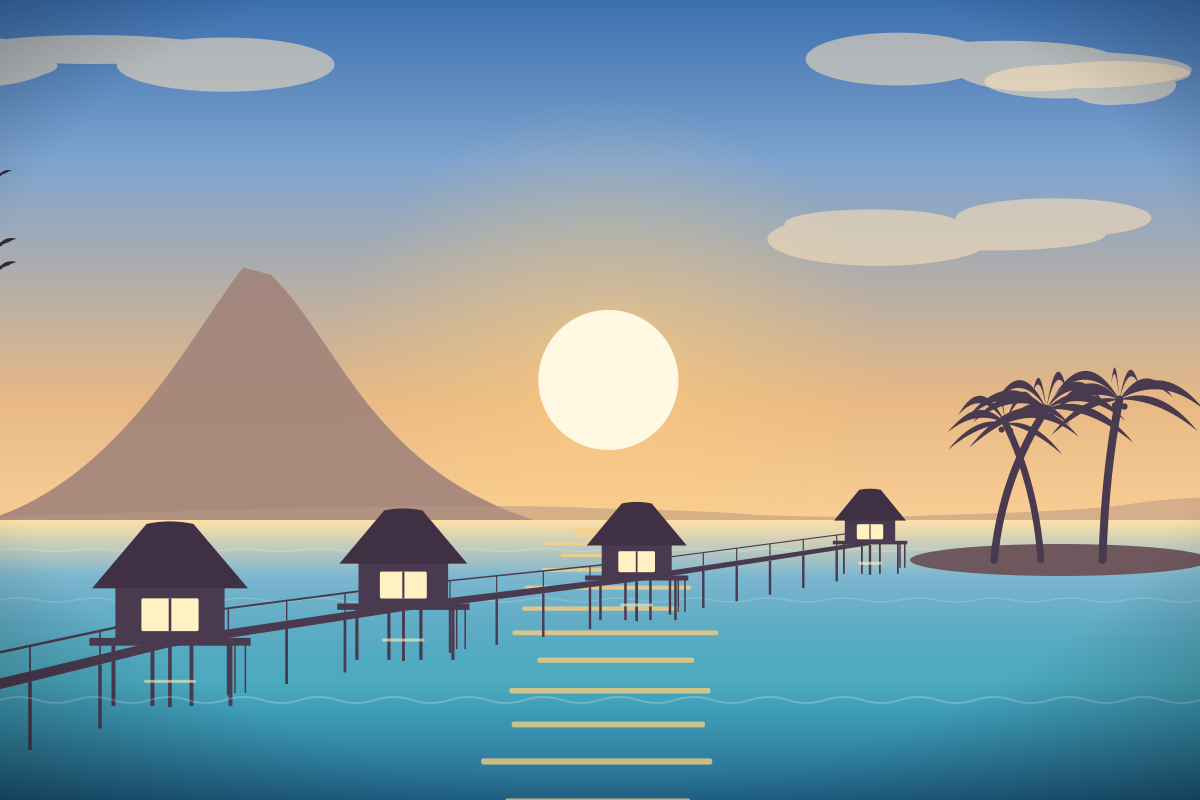
Mauritius is roughly 40 miles long. Its reef does the work. In front of most resorts, the lagoon is waist to chest deep for a long way out and good for kayaks, paddleboards and lazy snorkeling. Le Morne on the southwest tip has a UNESCO-listed basalt mountain above a long lagoon. Belle Mare in the east has the longest white beaches. Grand Baie in the north is the social side. Inland, Black River Gorges and Chamarel's Seven Coloured Earths are an hour or less away.
Réunion's drama is vertical. Around Piton des Neiges, the cirques of Mafate, Cilaos and Salazie hold villages reached by hairpin roads or, in Mafate, only on foot or by helicopter. UNESCO lists the peaks, cirques and cliffs, covering roughly 40 percent of the island. The main lagoon is on the west coast around Saint-Gilles-les-Bains, L'Hermitage and Saint-Leu.
If you want the beach to be the trip, choose Mauritius. If you want the mountains to be the trip, choose Réunion.
Resorts or Gîtes
Mauritius has spent decades refining the beach resort and service at the top hotels rivals the Maldives. On the east coast, Constance Prince Maurice at Belle Mare is one of the grand addresses. At Le Morne, The St. Regis Le Morne Resort, LUX* Le Morne and Paradis Beachcomber Golf Resort & Spa line the lagoon. In the south, Heritage Le Telfair at Bel Ombre has golf and a big spa. Half board is the norm. Many resorts add touches for couples who mention the occasion.
Réunion's stays are smaller and more varied. The west coast has most of the hotels, from comfortable midrange properties to a few upscale beach hotels near Saint-Gilles. In the mountains, chambres d'hôtes and family-run gîtes offer half board, often with Creole dinners that last for hours. Cilaos has spa hotels near its thermal springs. In Mafate, you hike in to simple gîtes with no road access at all.
Mauritius is about where you stay. Réunion is about where you go.
Active Days, Lazy Days
In Mauritius, days start slow. Take a morning boat to see dolphins off Tamarin, hike a Black River Gorges trail in the cool hours or taste rum at a distillery in Chamarel. Shop for spices in the Port Louis Central Market and visit Pamplemousses botanical garden. Take a catamaran to the northern islets or Île aux Cerfs, ideally early before the crowds. Then let the spa and the lagoon fill the rest.
In Réunion, set your alarm. Start hikes at dawn because clouds usually roll in over the peaks by late morning. Walk from Pas de Bellecombe toward the volcano crater when the trail is open. Climb to the Piton des Neiges refuge for a summit sunrise. Soak in the thermal baths of Cilaos and hike to the Roche Merveilleuse viewpoint. Try a tandem paraglide over Saint-Leu, chase waterfalls around Hell-Bourg in Salazie and fly over the cirques by helicopter.
Couples who need a balance can find one in either. The default setting is just different.
Swimming Safety
This is a real difference. Mauritius is built for swimming. The reef shelters most beaches, so the lagoons stay calm even when the open ocean breaks white on the reef line. Pack water shoes, since sea urchins and coral rubble are common in the shallows. The wild south coast around Gris Gris has no protecting reef in places and is for looking at, not swimming.
Réunion has shark risk along its open coast, which is one reason beaches play a smaller role. Swim only in the west coast lagoon or in netted, supervised zones. Follow local signs. The lagoon around L'Hermitage is lovely for a cool-off after a hike, but it is narrower than the lagoons of Mauritius.
Both islands have mosquitoes. Dengue flares up in some years in Mauritius and dengue and chikungunya in Réunion, mostly in the hot, wet months. Use repellent and cover up at dusk. If you're pregnant or hoping to be soon, check CDC travel health notices for each island.
Seasons Compared
The two islands share a climate pattern, with a hot, humid summer from about November to April and a drier, cooler winter from about May to October. January to March brings the heaviest rain and cyclone risk to both. Passing storms can mean days of wind and rain. On Réunion, trails and roads can close afterward, so buy travel insurance for that window.
For Mauritius, the sweet spots are April to early June and September to early December, with October usually the driest month. The southeast trade winds blow hardest from June to August, making the east and south breezy while the north and west stay sheltered.
For Réunion, May to November is the hiking season. June to August brings clear skies and near-freezing nights at the highest refuges. September to November is a favorite, with dry trails and jacaranda blooming. Humpback whales are offshore from roughly June to October. French school holidays fill gîtes, so book ahead for July, August and late December.
Costs and Flights
Both need at least one connection from the US and roughly 20 to 26 hours door to door. For Mauritius, Emirates through Dubai is the most popular routing, with Paris, London, Istanbul and Johannesburg as alternatives. For Réunion, the simplest route is via Paris, about 11 hours from there to Saint-Denis (RUN). French bee links Newark and San Francisco with Orly. Round-trip economy fares commonly run around $1,300 to $2,500 per person for either, depending on season.
Mauritius leans upscale. Four-star beach hotels often run around $250 to $450 a night with breakfast or half board. The best-known five-star resorts start around $600 and can pass $1,500 at peak. Local dinners are cheap. Réunion is priced like France: midrange west coast hotels often cost around €100 to €250 a night. Gîtes cost less and casual meals run about €15 to €30 per person.
Rent a car on both. Mauritius drives on the left and Réunion on the right. All figures are approximate.
Two Islands, One Trip
Air Mauritius and Air Austral connect the two islands in under an hour, which makes a two-island honeymoon easy. A good 12-night plan starts in Réunion while you have the most energy: two nights on the west coast lagoon, three in Cilaos for hiking and thermal baths and one near Bourg-Murat for a dawn volcano visit. Then fly to Mauritius for six nights split between Le Morne and Belle Mare, ending close to the airport for the long flight home.
With ten days, try four nights on Réunion and six on Mauritius. With a week, pick one. Mauritius alone gives a relaxed, complete honeymoon. Réunion alone suits couples who truly want a hiking trip with lagoon breaks.
Some connections to Réunion route through Mauritius anyway, so adding the second island can cost less than you expect. Check fares both ways before you choose an order.